Can You Get Social Security Disability for Heart Problems?
Do you struggle with heart problems? If so, those issues may cause many difficulties in your daily life. They may even be so severe that they prevent you from working and earning an income as you otherwise would. If this is the case, you may be experiencing considerable financial stress. That’s understandable. It can be..
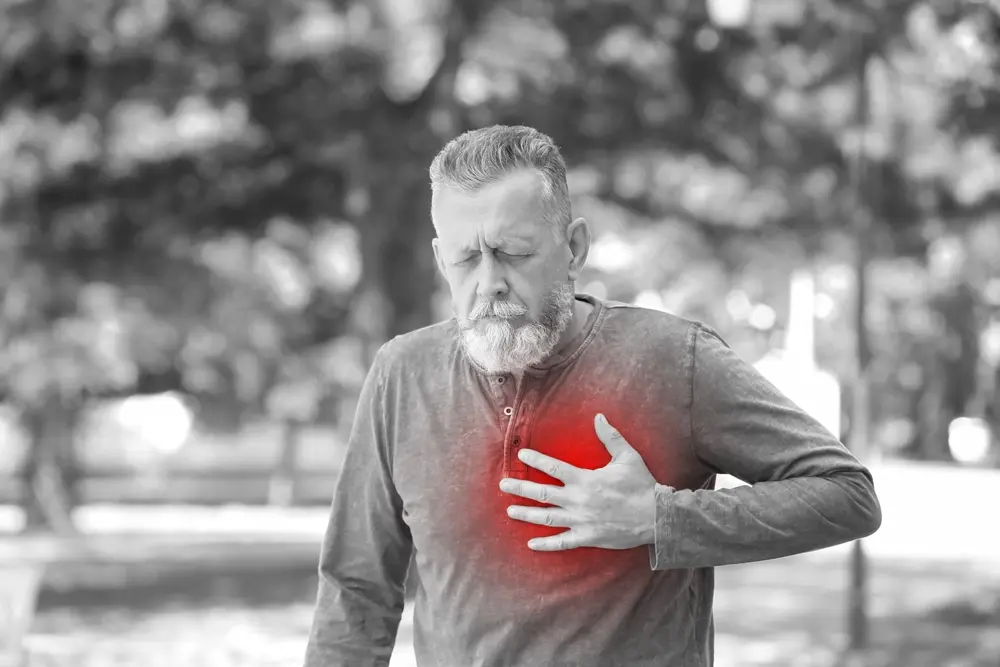
Do you struggle with heart problems? If so, those issues may cause many difficulties in your daily life. They may even be so severe that they prevent you from working and earning an income as you otherwise would. If this is the case, you may be experiencing considerable financial stress. That’s understandable. It can be overwhelming when bills keep arriving and you aren’t sure how you’ll pay them. If this is your situation, you may be wondering whether or not you should seek disability benefits for your condition. Let’s take a closer look at the law together.
What Types of Benefits Are Available?
The Social Security Administration offers two types of disability benefits. Which one you decide to seek will depend on your particular situation. The two types of benefits include:
- Social Security Disability Insurance (SSDI): These are disability benefits intended for individuals who are “insured.” To the Social Security Administration, being “insured” means that the applicant worked a job through which they regularly paid employment taxes into the Social Security Administration.
- Supplemental Security Income (SSI): These are disability benefits that are intended for individuals who have income and resources below a certain annual limit established by the Social Security Administration. Individuals do not need to be “insured” to seek SSI benefits.
Regardless of whether you seek SSDI or SSI benefits, it’s important to know that you must be able to provide evidence establishing two factors:
- You have a disabling medical condition: To be approved for benefits, the applicant must have a medical condition that the Social Security Administration considers a disability. To make this determination, the Social Security Administration will consult a guide, often called the Blue Book. The Blue Book is a listing of a variety of conditions and their accompanying symptoms. Those who can establish that they have a condition that is included in the Blue Book by providing sufficient medical evidence will typically increase their chances of being approved for benefits.
- Your condition has lasted for one continuous calendar year or more: This element seems fairly self-explanatory, but it is still important to note. Sometimes, you may have a condition that is severely disabling but resolves in less than a year. In these cases, you may be able to seek other types of benefits, but you will typically not be able to receive disability benefits from the Social Security Administration.
Are Heart Problems Considered Disability?
Fortunately, for those with heart problems, many heart conditions are included in the Blue Book.
Section Four of the Blue Book addresses heart conditions. The Blue Book defines cardiovascular impairment as a disorder that affects the circulatory system or the heart’s ability to function properly. Some of the specific heart conditions listed in the Blue Book include:
- Congenital heart disease (heart-related birth defects)
- Recurrent arrhythmias (consistently abnormal heart rates)
- Aneurysms in the major arteries of the heart
- Heart transplant
- Chronic heart failure (which often leads to other issues like congestive heart failure)
- Peripheral arterial disease (damage to the outer arteries)
- Chronic venous insufficiency (poor circulation)
- Ischemic heart disease (a condition that occurs when the heart does not receive sufficient blood supply).
These are the primary heart conditions included in the Blue Book – although certainly, there are many other disabilities involving the cardiovascular system that may arise.
In some cases, an applicant may not have a heart condition that is specifically listed in the Blue Book. This is not a reason to panic and does not necessarily mean an application will be automatically denied. It may simply mean that additional evidence supporting the claim may be necessary.
How Much Will You Receive?
This is a commonly asked and very understandable question. It’s important to understand that regardless of the type of Social Security benefit you pursue, the amount you receive will not be based on your particular condition or its severity. Instead, it will be based on a variety of other factors, including work and earnings history, income and resource level, and other factors.
There are also maximum monthly benefit amounts you can receive, and those limits change yearly. In 2026, the maximum monthly SSI amount is $994 for an individual, and $1,491 for a couple. The maximum monthly SSDI amount in 2026 is $4,152.
Call American Disability Action Group Today
At American Disability Action Group, we know that struggling with a disability is difficult enough without adding stressful legal worries as you wonder if you’re doing all you can to pursue your claim. The good news is, you don’t have to worry and wonder alone. Our knowledgeable and experienced legal team is here for you, and we’re ready to help. We’ll always pursue the best legal strategies on your behalf, and we’ll keep you informed and involved in your case every step of the way. If you’re ready to get started, give us a call today. We look forward to helping you soon.
Sources
- Cardiovascular Conditions in the Blue Book: https://www.ssa.gov/disability/professionals/bluebook/4.00-Cardiovascular-Adult.htm
- Disability Benefit Overview: https://www.ssa.gov/benefits/disability/qualify.html
- Types of Benefits Available: https://www.ssa.gov/pubs/EN-05-10029.pdf